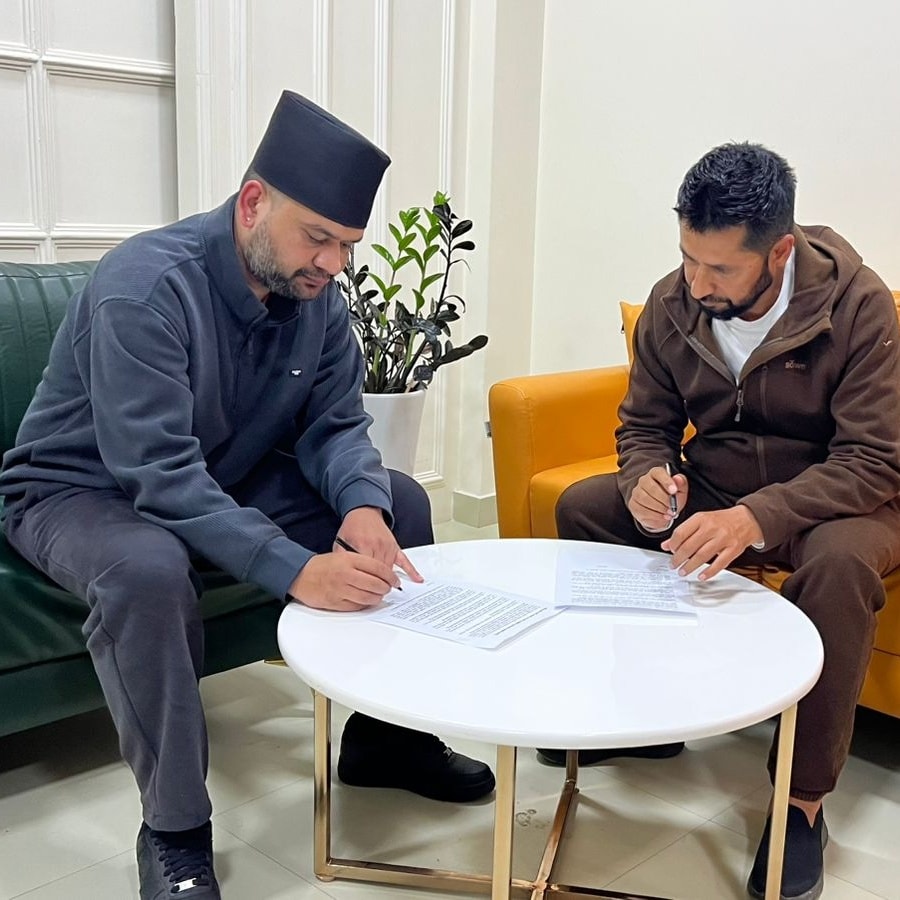
Kathmandu — A political understanding has reportedly been reached outlining a new leadership arrangement involving the Rastriya Swatantra Party (RSP) and Kathmandu Metropolitan City Mayor Balen Shah. According to sources familiar with the discussions, the agreement stipulates that Rabi Lamichhane will continue as chairperson of the RSP, while Balen Shah will be positioned as the party’s candidate for prime minister.
The reported deal follows a series of high-level consultations among political leaders and intermediaries over recent days, aimed at clarifying leadership roles and electoral strategy amid a rapidly evolving political landscape. While details of the negotiations have not been formally disclosed, those briefed on the talks say the understanding seeks to balance organizational continuity within the RSP with a broader national appeal ahead of future elections.
Rabi Lamichhane, a founding figure of the RSP, is expected to retain control over the party’s internal structure, strategy, and parliamentary coordination under the agreement. Supporters argue that his continued leadership ensures stability within the relatively new party, which has positioned itself as an alternative to traditional political forces. Lamichhane’s role, they say, is central to maintaining party discipline and sustaining its reform-oriented agenda.
Balen Shah, who rose to national prominence after winning the Kathmandu mayoral race as an independent, is reportedly being put forward as the prime ministerial face of the alliance or party-led campaign. Advocates of the move believe Shah’s administrative record, public visibility, and outsider image could attract a wider cross-section of voters, particularly younger and urban constituencies disillusioned with conventional politics.
Sources indicate that the agreement reflects a strategic calculation: separating party leadership from the prime ministerial candidacy to maximize electoral reach while minimizing internal friction. Under this model, Lamichhane would focus on party consolidation and legislative effectiveness, while Shah would lead the national campaign narrative centered on governance reform, anti-corruption measures, and service delivery.
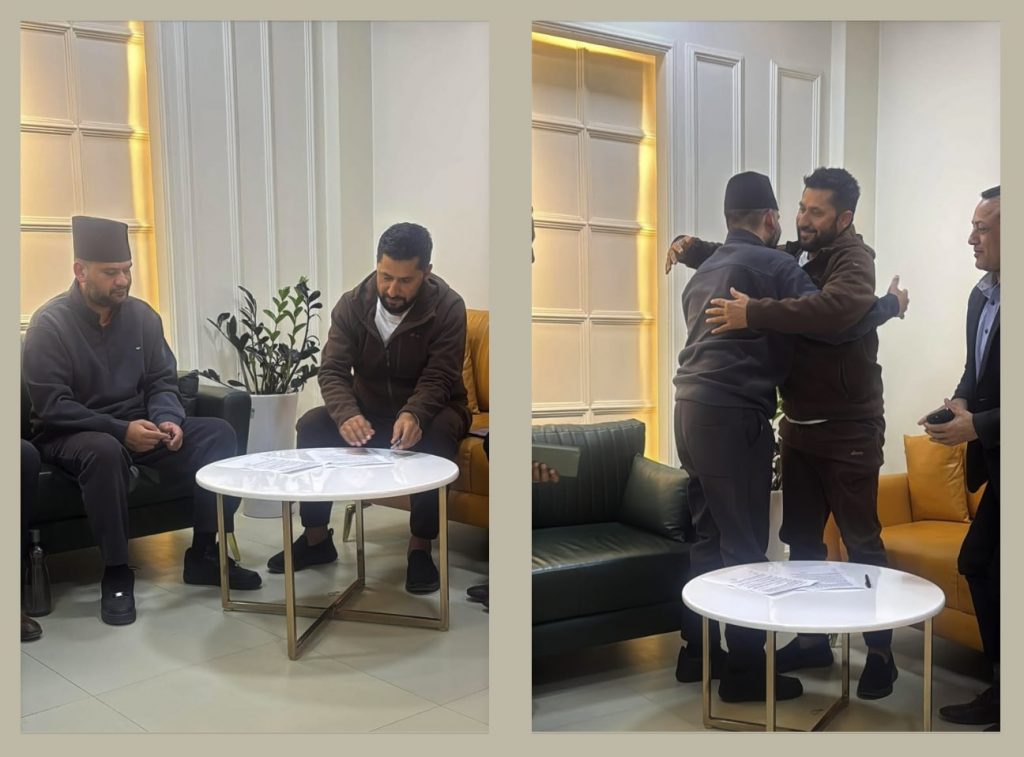
However, as of now, no official statement has been issued by either the RSP or Balen Shah confirming the agreement. Senior party figures contacted for comment have neither endorsed nor denied the reports, saying that formal announcements would be made “at the appropriate time.” Political analysts caution that such understandings can evolve and are often contingent on broader coalition dynamics, legal considerations, and public response.
The reported deal has already sparked debate across political circles and social media. Supporters view it as a bold experiment that could reshape Nepal’s political equation, while critics question its feasibility, constitutional implications, and the challenges of aligning an independent mayor with a party-based parliamentary system.
If confirmed, the agreement would mark a significant development in Nepal’s contemporary politics, signaling a potential realignment of leadership roles and campaign strategy ahead of crucial electoral contests. For now, observers await formal clarification, which is expected to determine whether this reported understanding translates into an official political roadmap or remains an informal consensus under negotiation.